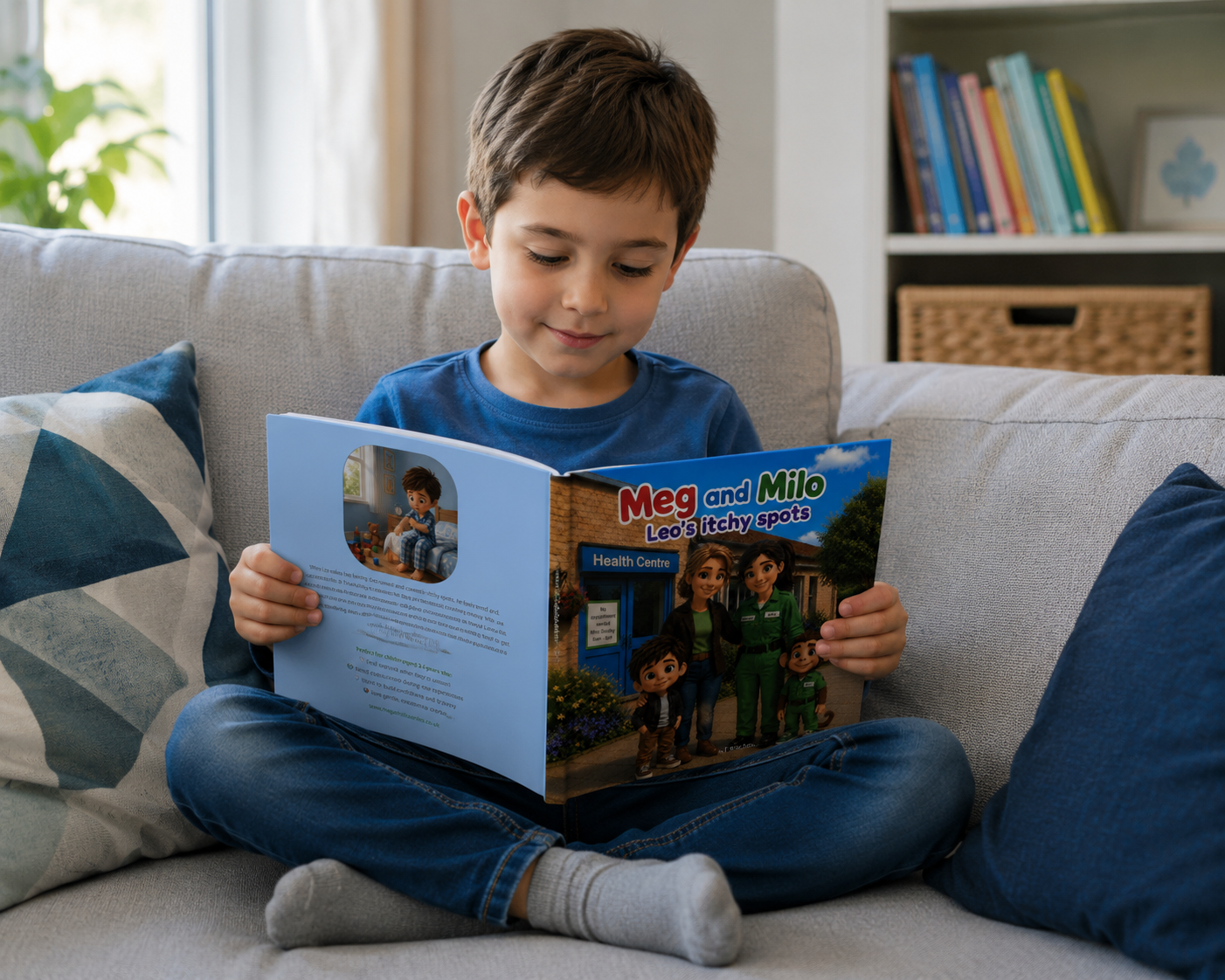
Helping children understand their feelings.
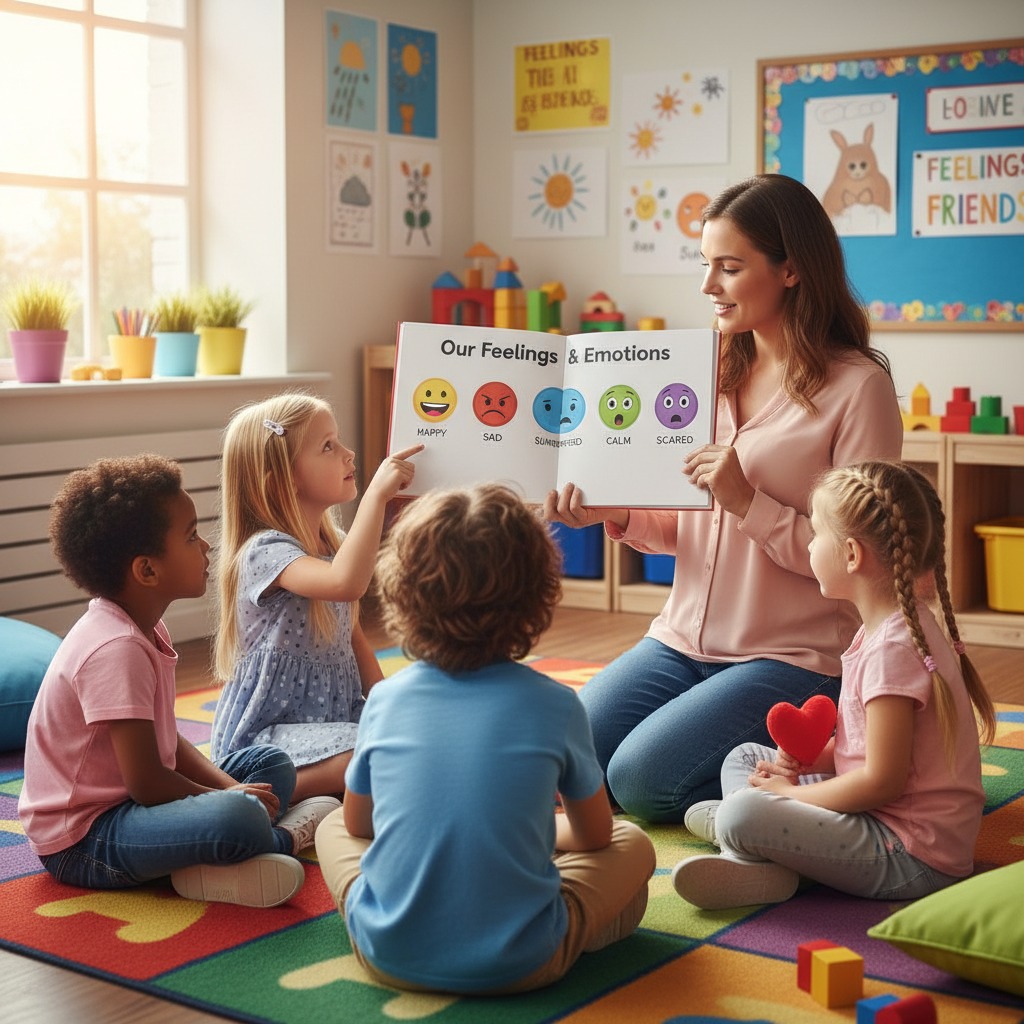
Helping Children Understand Their Feelings
Children experience a wide range of emotions every day. They can feel happy, excited, worried, frustrated, frightened, proud or sad, sometimes all within a few hours. For young children, these feelings can be confusing because they often don’t yet have the words to explain what they are experiencing.
Helping children understand their feelings is an important part of growing up. When children learn to recognise emotions, talk about them and understand that all feelings are normal, they develop confidence, resilience and emotional wellbeing.
Why Emotions Can Feel Overwhelming
Young children are still learning how the world works. New experiences such as starting school, visiting the doctor, meeting new people or feeling unwell can create big emotions.
A child may become upset, clingy, quiet or angry when they feel worried or uncertain. This is often their way of communicating that they need reassurance.
Children may not say:
“I feel anxious.”
Instead, they might say:
- “I don’t want to go.”
- “My tummy hurts.”
- “I’m scared.”
- “Stay with me.”
Understanding these behaviours helps adults respond with patience and support.
Helping Children Name Their Feelings
One of the simplest ways to help children understand emotions is by naming them.
You might say:
- “You seem disappointed that playtime has finished.”
- “You look worried about going to nursery today.”
- “It’s okay to feel nervous.”
- “You seem very excited!”
Giving children words for their feelings helps them recognise emotions in themselves and others.
Reading Stories Together
Books provide a safe way for children to explore emotions. Characters can experience worries, fears, excitement and happiness, allowing children to see that these feelings are normal.
Reading together creates opportunities to ask questions such as:
- How do you think the character feels?
- Have you ever felt like that?
- What helped the character feel better?
- What would you do?
Stories help children understand that difficult feelings do not last forever and that support is always available.
All Feelings Are Allowed
Sometimes children believe that feeling angry, sad or frightened is wrong. It is important for children to know that all emotions are normal.
Instead of saying:
“Don’t be scared.”
Try:
“It’s okay to feel scared. I’m here with you.”
This helps children learn that feelings are acceptable, even when they are uncomfortable.
Everyday Ways to Support Emotional Development
You can help children understand their feelings by:
- Talking about emotions during the day.
- Reading stories together.
- Naming your own feelings.
- Using emotion faces or pictures.
- Encouraging questions.
- Listening without rushing to solve every problem.
- Offering reassurance and comfort.
Small conversations every day can make a big difference.
Growing Confidence Through Understanding
When children learn that feelings are normal and temporary, they begin to develop emotional confidence. They discover that they can feel worried and still be brave, feel sad and still be supported, or feel nervous and still try something new.
At Meg & Milo, we believe stories can help children understand both the world around them and the feelings inside them. Through kindness, reassurance and gentle adventures, children can learn that it is always okay to talk about how they feel.
Because every feeling matters, and every child deserves to feel understood.