How do we learn through reading?
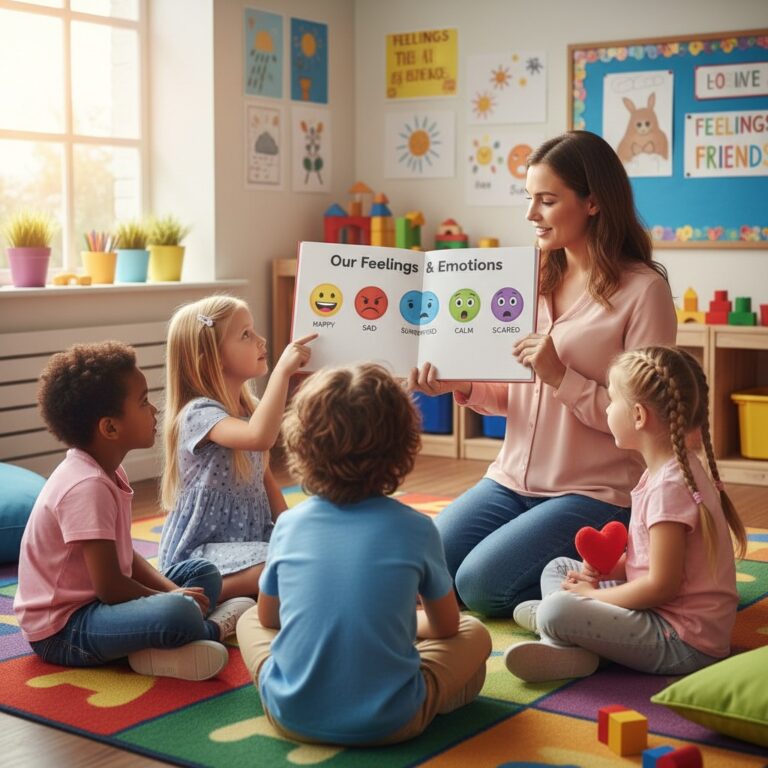
Children learn through reading in far more ways than simply recognising words on a page. Stories help develop language, emotions, social skills, knowledge, and imagination simultaneously.
1. Language and Vocabulary Development
Books introduce children to words they may not hear in everyday conversation. Repeated reading helps them:
- Build vocabulary.
- Understand sentence structure.
- Develop listening skills.
- Improve speech and communication.
For example, a story about visiting a clinic may introduce words such as temperature, stethoscope, or medicine in a gentle, memorable context.
2. Understanding Emotions
Stories allow children to explore feelings safely. They learn:
- What emotions look like.
- That feelings are normal.
- How characters cope with worries, sadness, excitement, or fear.
When a character feels anxious about being ill but later feels reassured, children learn emotional regulation and resilience.
3. Learning Through Identification
Children often see themselves in characters. If a character is frightened, shy, poorly, or brave, a child may think:
“That happened to me too.”
This helps children:
- Feel understood.
- Build confidence.
- Reduce fears about new experiences.
- Develop self-esteem.
4. Developing Empathy
Stories help children understand how others feel. They begin to recognise:
- Kindness.
- Caring behaviours.
- Friendship.
- Helping others.
This supports social and emotional development and can improve relationships with peers and family members.
5. Building Knowledge About the World
Books introduce children to experiences they may not yet have encountered:
- Starting school.
- Visiting healthcare professionals.
- Moving house.
- Different cultures and communities.
- Illnesses, injuries, and healthy habits.
Children learn best when information is presented within meaningful stories rather than isolated facts.
6. Supporting Memory and Understanding
Repetition is particularly powerful. Hearing the same story repeatedly helps children:
- Predict events.
- Remember information.
- Understand cause and effect.
- Develop sequencing skills.
This is why favourite books are often requested over and over again.
7. Encouraging Imagination and Problem-Solving
Stories invite children to ask:
- What happens next?
- How will the character solve this problem?
- What would I do?
This develops creativity, critical thinking, and reasoning skills.
Why Story-Based Learning Works So Well
Educational psychologists often describe this as learning through narrative. Children remember information more effectively when it is attached to:
- Characters they care about.
- Emotions they recognise.
- Situations they understand.
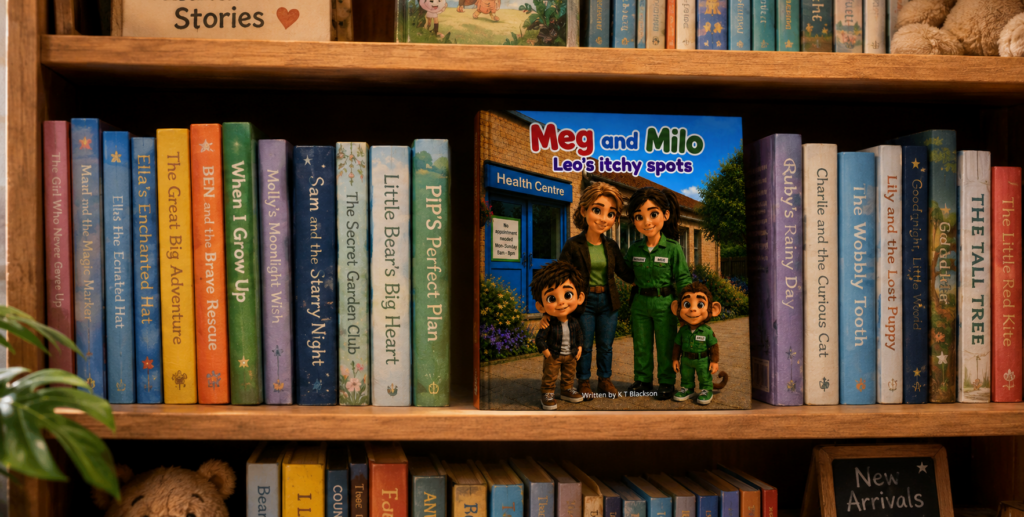
For example, a child may forget a factual explanation of chickenpox, but they may remember that Leo felt worried, met Meg and Milo, learned not to scratch his spots, and felt better after being reassured.
For the Early Years (Ages 3–6)
At this age, children learn particularly well through:
- Repetition.
- Pictures and visual cues.
- Rhyming and rhythm.
- Questions and discussion.
- Relatable characters.
- Reassurance and positive endings.
This makes storybooks especially effective for topics such as emotions, illness, friendships, healthy habits, and new experiences.
Children learn best when they feel safe, engaged, and connected to the characters they meet. Through stories, they build language, confidence, empathy, and an understanding of the world around them.